Photo: Collected
From ‘rag and bone men’ to engineered excellence
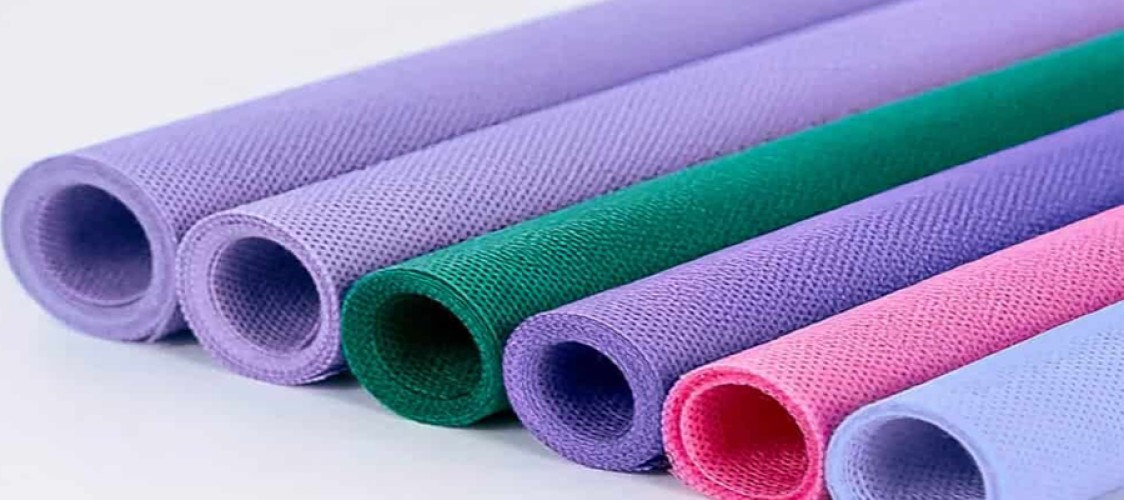
The sheer diversity of end-use applications for today’s engineered nonwoven fabrics is pretty amazing considering that the entire industry has its origins in the production of low-price substitutes for traditional textiles at the very beginning of the 20th Century.
Back then, threadbare old clothes were collected door-to-door by hawkers on horse and carts – known in the UK as ‘rag and bone men’. This term originates from an even earlier time when rags were turned into paper before the successful separation of cellulose. Bones provided gelatine, which was used to size the paper, sealing porous surfaces to prevent the ink from a pen feathering.
Later, rag and bone men would give children balloons or sweets in exchange for any threadbare old item a household could afford to throw away. Bundles of old clothes were then sold for a pittance to companies who would mechanically pull and shred them back into rough fibres, to be converted into crude, basic new low-cost clothing.
First recyclers
This tradition endured for many decades and as such, early nonwovens manufacturers can be considered the very first textile recyclers – long before sustainability was anything like a consideration. Gradually, however, the price of clothing got cheaper and new functional applications for nonwovens were found – as insulation in buildings and cars, for example, components for industrial machinery, filter materials and carpet underlay.
The emergence of the plastics and synthetic fibre industries further extended options for the production of many new nonwovens and techniques for manufacturing them at higher speeds. The huge market for absorbent hygiene products (AHPs) – today the largest sector for engineered nonwovens – emerged from this period in the 1940s and 50s.
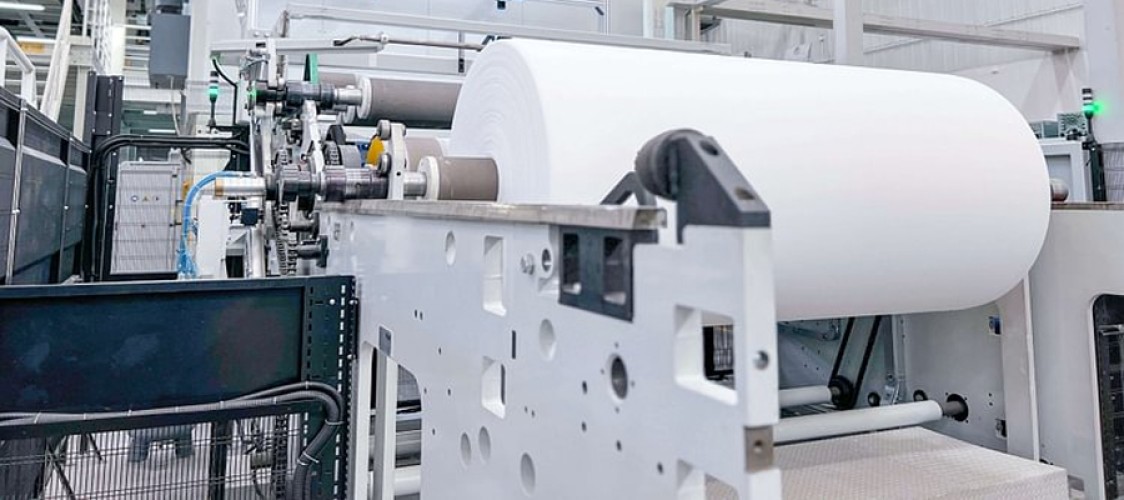
Whether mechanically produced or extruded from polymer resins like plastics, nonwovens have always differed from other textiles by being turned from fibres or polymer resins directly into fabrics without a yarn spinning stage, making them always faster and more cost effective to produce.
Sophistication
Today’s nonwovens industry was worth an annual $62.8 billion in 2024 according to analyst Smithers, involving 15.2 million tons of materials. As will be very evident at INDEX™26 in Geneva, the industry is one of the most intensive in investing in new technology and also in research and development, while being highly profitable and increasingly sophisticated, with consistently healthy annual growth rates.
One reason for this is that nonwovens are highly flexible in terms of applications, with some new ones constantly emerging. 22 separate main end-use markets and their extensive reach are listed by EDANA, the INDEX™26 exhibition owner, on their website.
They can be either disposable – for single use, or with a limited life – or durable, with a much longer life, depending on the application and provided with an extremely wide range of functions. For AHPs, wipes and the medical sector, softness, skin friendliness and absorbency are key, with other useful properties including sterility, stretch and bacterial barrier.
You can learn about South Asia's
largest exhibition on this topic through this link: https://nonwovenasianews.com/
Source: Online/NAN





Copyright © 2026 LIMRA Exhibitions. All Rights Reserved.
Website Design & Development ♡ MY SOFT IT
 EN
EN
 Chinese
 Turkish
 Indonesian
 German
 French
 Spanish
 Portuguese
 Russian
 Italian